What Do You Need to Start a Cosmetic Tattoo Business?
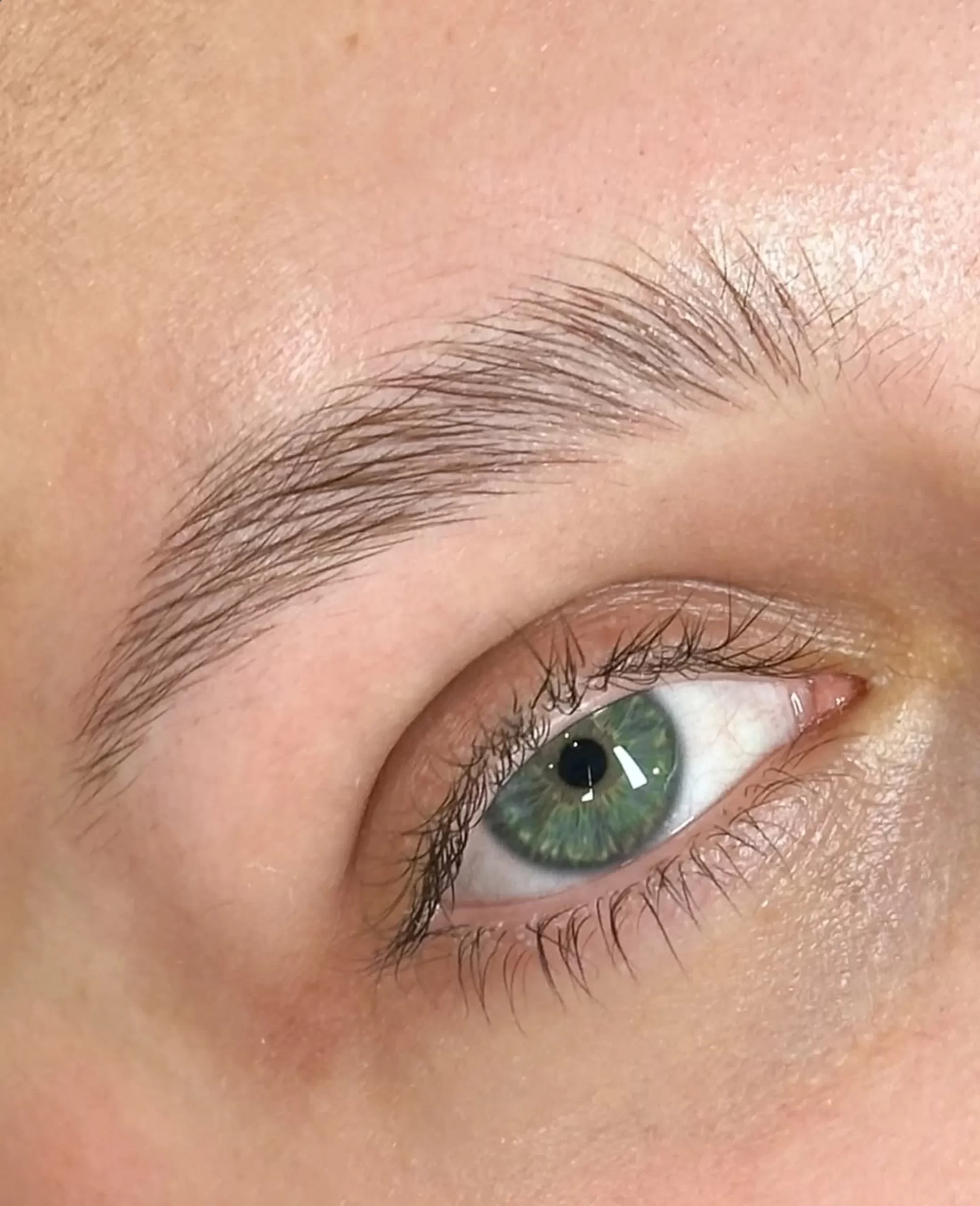
So you’re obsessed with brows, love beauty and believe in enhancing natural beauty with long-lasting results? Launching your own cosmetic tattooing business might be your next big move. As cosmetic tattoo artists we’re not just riding a beauty trend – we’re part of a growing tattoo industry that combines aesthetics with precision.
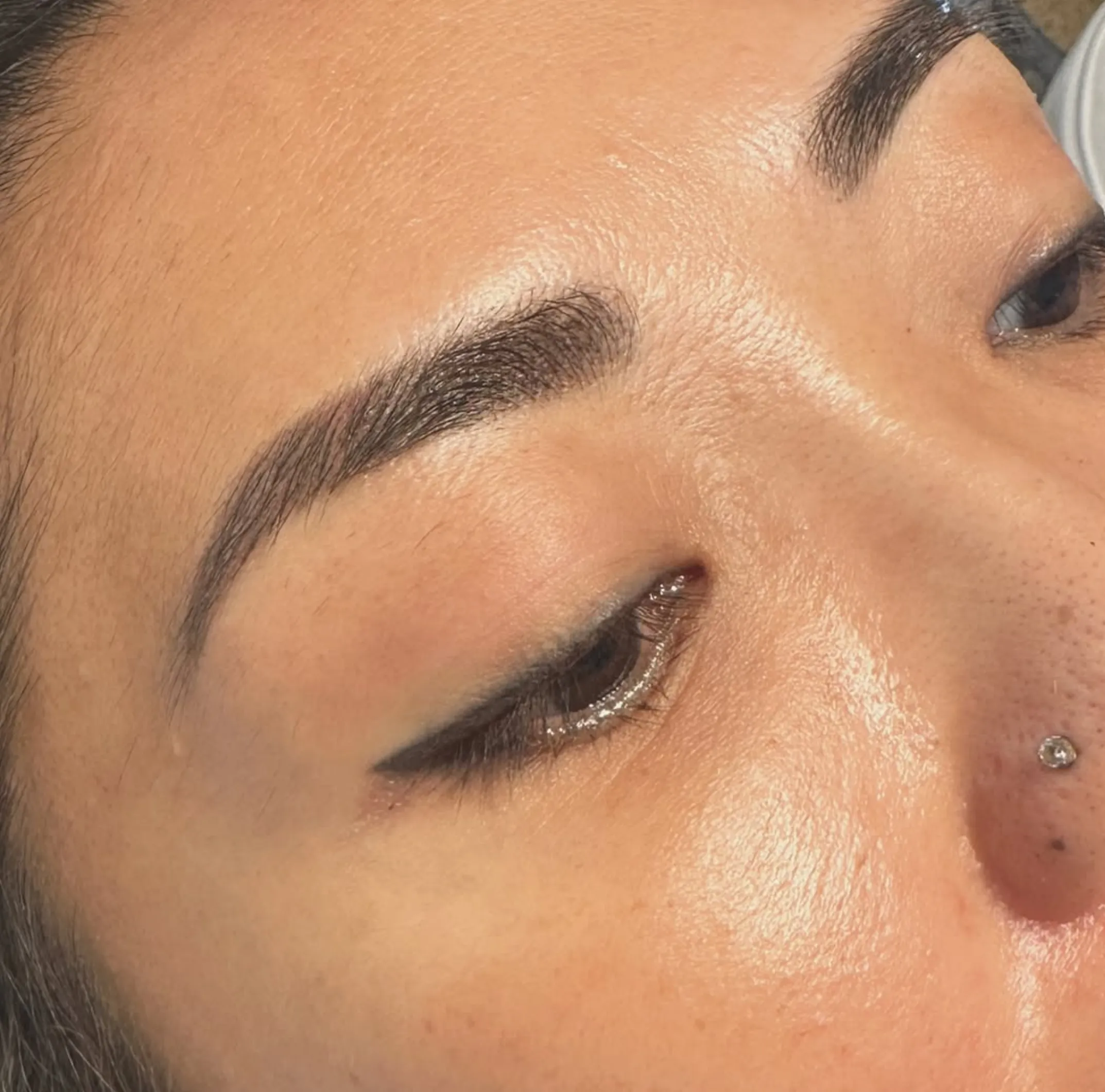
From brow tattoos to eyeliner tattoos and camouflage tattooing, more clients are looking for low maintenance enhancements. But the truth? It takes more than love for brows to build a safe, ethical and profitable cosmetic tattooing business.
At Cosmetic Tattoo Brisbane Studio Face Figurati we’ve seen firsthand how professionalism and proper training can take a cosmetic tattoo artist from zero to booked out.
Contents
Australia’s Rules Explained
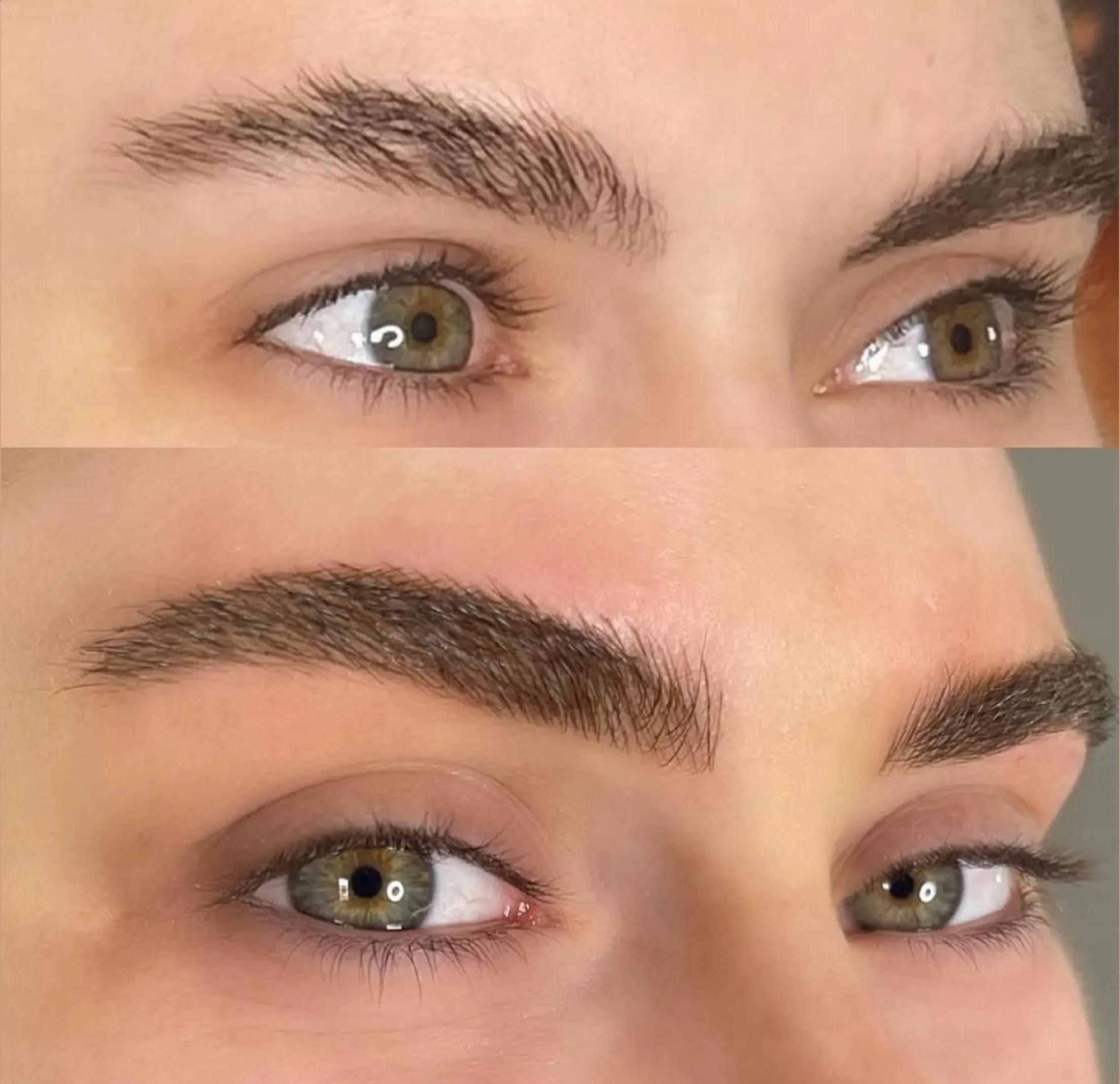
If you want to become a permanent makeup artist or run a body art tattooing business your journey starts with solid qualifications and a respect for the rules. Cosmetic tattooing falls under strict health laws and procedures vary by state.
Core Training & Accreditation
- Infection prevention and control certification (HLTINFCOV001 or HLTINF005) – ensures compliance with hygiene and ethical standards
- SHBBSKS003 Design and Provide Cosmetic Tattooing – provided by an approved training organisation
- Optional modules in camouflage tattooing, advanced tattooing techniques and practical training with real clients
Taking a reputable cosmetic tattoo course is your first major step into the industry. Choose one that offers hands on time, mentorship and assessments on real skin.
Council Registration & Licences
- Skin penetration licence (mandatory for tattooing services)
- Business registration through ASIC – choose from different company structures or business structures
- Premises approval via your local council’s application process
Check the age restrictions and requirements for tattooists in your state. The legal age for tattoos in Australia is generally 18 and failing to check can mean serious legal trouble.
Skills That Set You Apart
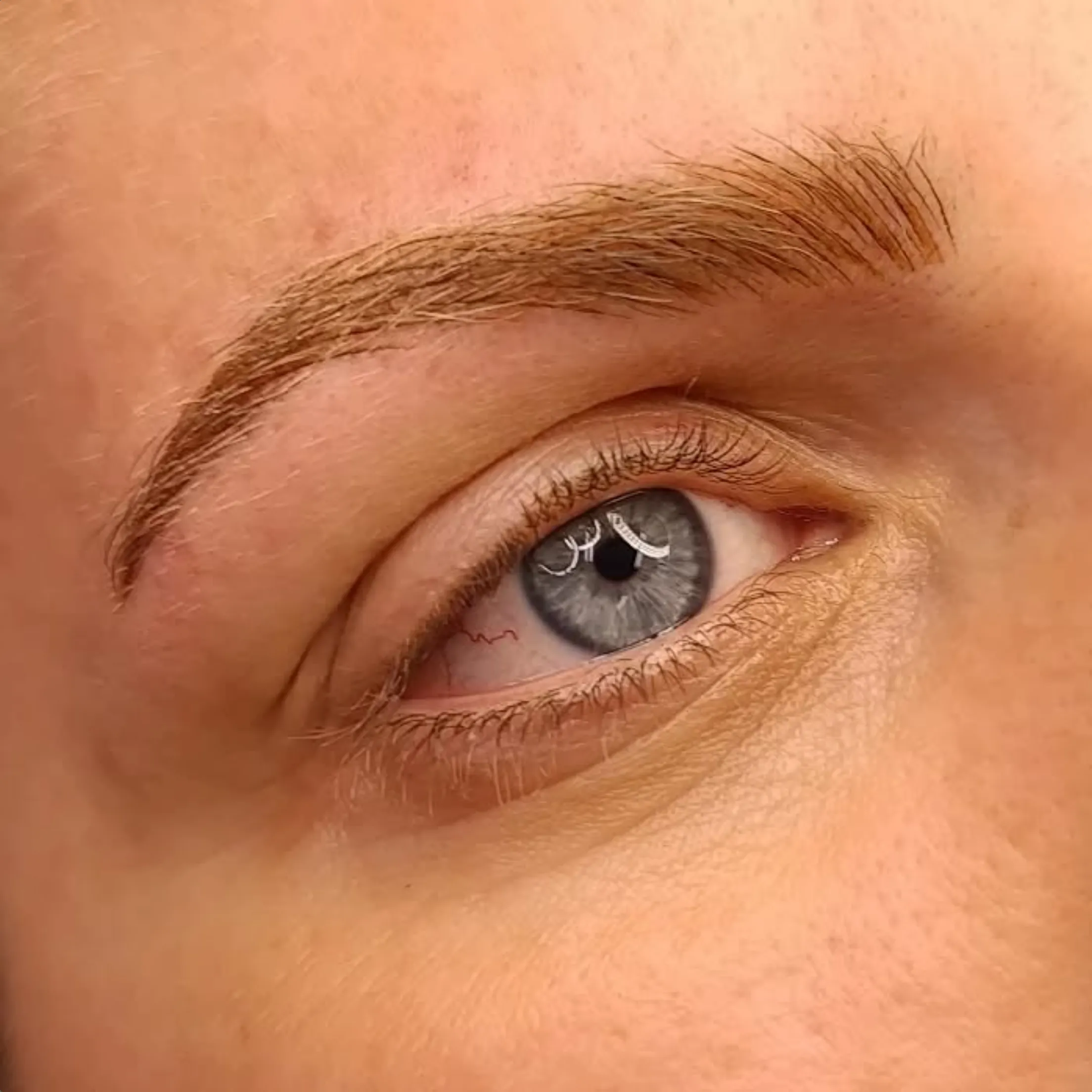
Being a good cosmetic tattoo artist goes beyond the ink. Whether you’re specialising in eyebrow tattoos or advanced cosmetic tattoo eyeliner, clients expect more than just technical skill. They trust you to understand their skin, face and lifestyle.
Here’s what sets you apart:
- Skin tone and undertone knowledge for natural results
- Tattooing techniques for skin type and age
- Consultation skills to manage expectations
- A steady hand and a calm voice when things get real
- Ongoing learning through industry conferences and advanced training
Many of today’s top cosmetic tattoo artists were once beauty salon juniors or make-up artists who saw a gap and filled it with experience, business skills and hustle.
Business Setup
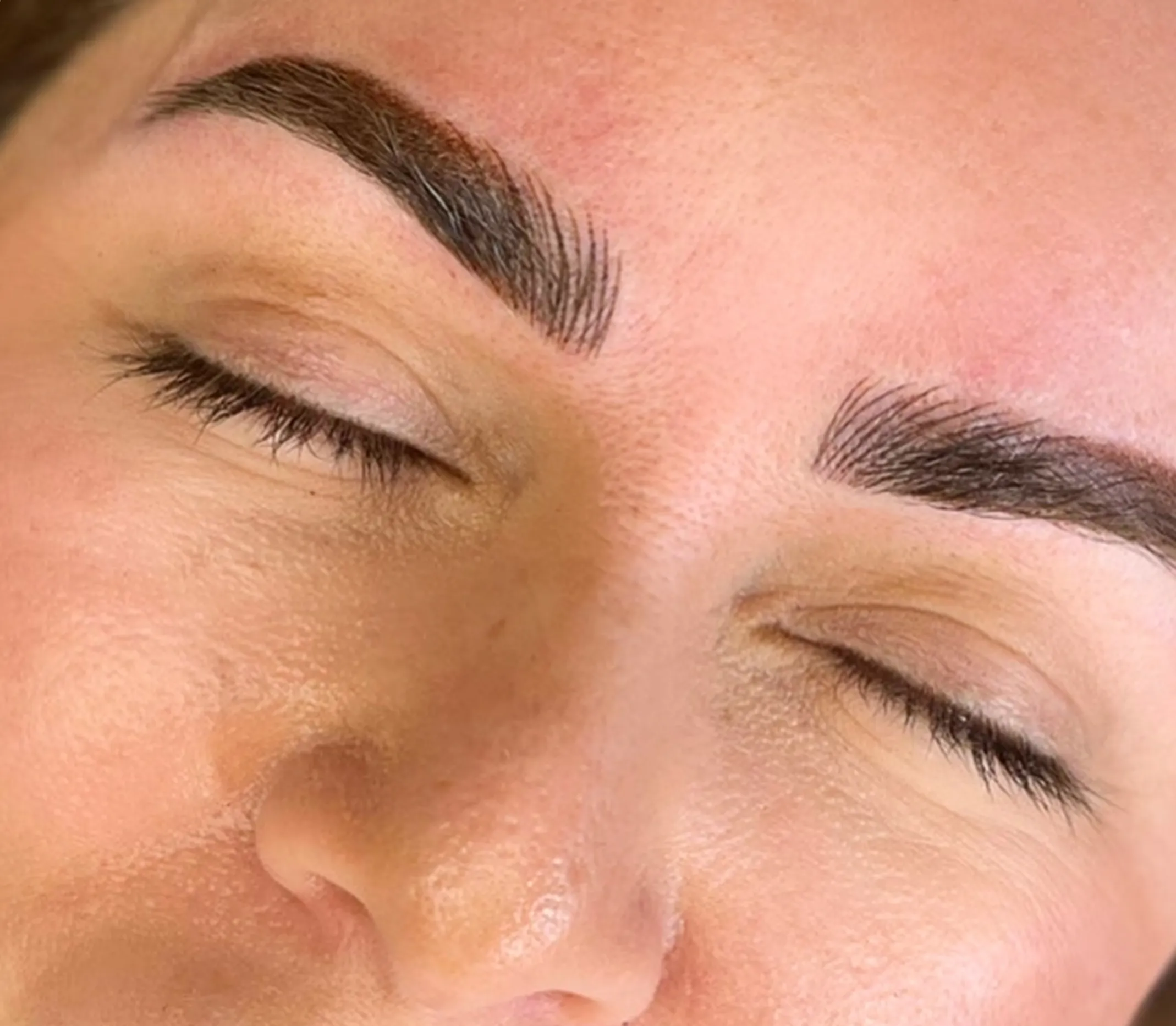
Running a successful cosmetic tattoo business requires more than good pigment. Let’s get real about equipment, structure and safety.
Equipment Checklist
| Equipment | Notes |
|---|---|
| Cosmetic tattoo machine OR microblade | Choose based on the tattooing procedures you offer |
| Sterile, single-use needles and containers | Essential for client safety |
| Pigments | Use trusted suppliers with stable, high-grade products |
| Disposable trays and bed rolls | Keep treatment surfaces clean and compliant |
| Gloves, masks, aprons | Meet PPE safety standards |
| Pigment cups and holders | Must be single-use containers |
| Measuring tools | Callipers, brow rulers, pre-inked mapping string |
| Aftercare kits for clients | Include balm, healing tips, and safety dos/don’ts |
| Sharps container | A must for any tattooing services |
| Autoclave (if not using disposables) | Needed if reusing tools (not recommended for start-ups) |
Studio Space or Mobile Business?
- Home studio: Lower cost, needs health approval and a separate settings panel or room
- Room in an established beauty salon: Great for referrals, lowers overheads
- Standalone studio: Higher control, more setup admin
- Mobile business: Rarely allowed due to hygiene laws — check with your council before investing
Property damage and safety liability? Only covered if you have the right insurance. Don’t skip it.
Insurance You’ll Need
- Public liability (in case of injury or property damage)
- Professional indemnity (covers advice or service mishaps)
- Product liability (if aftercare causes reactions)
Marketing & Client Trust
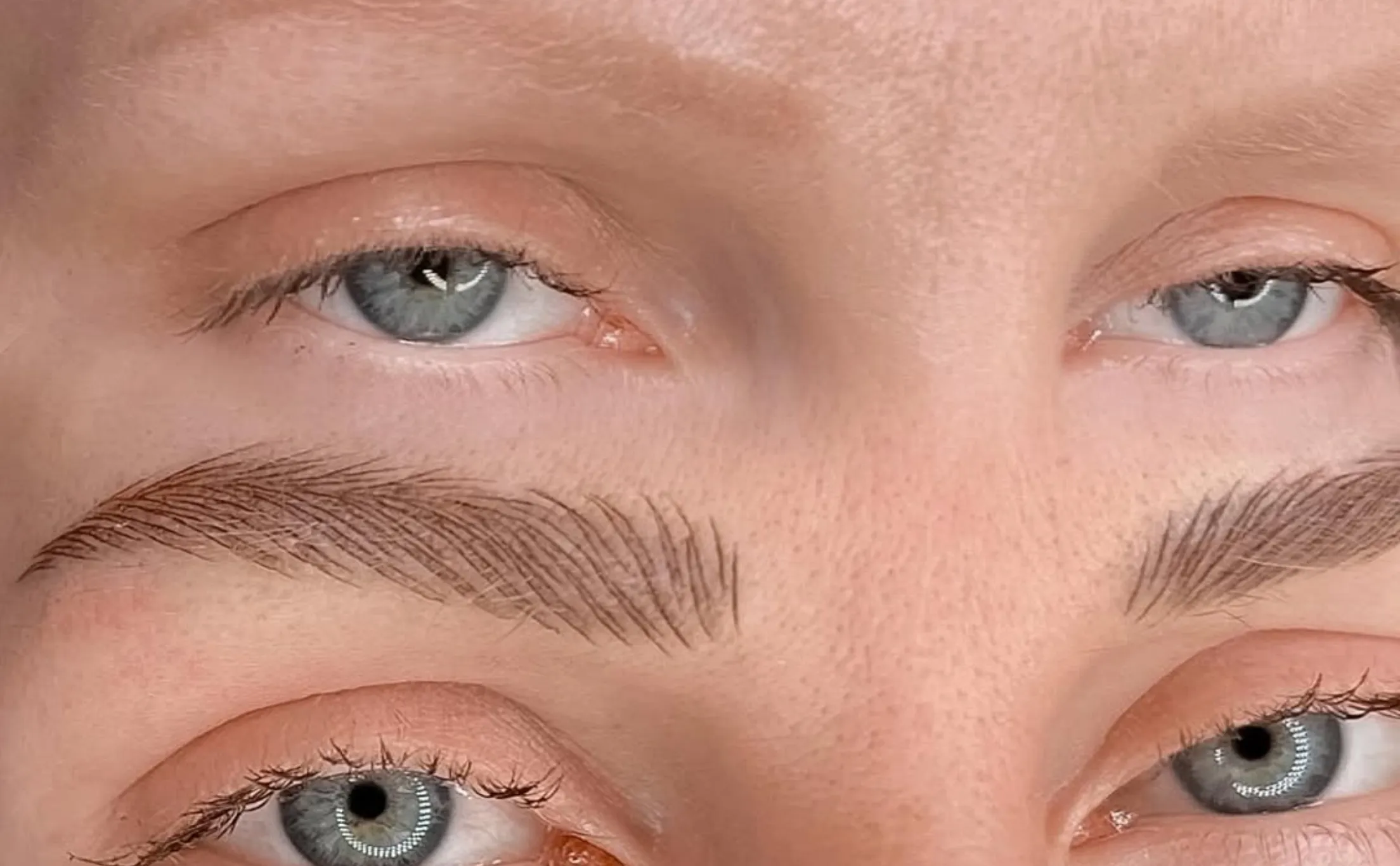
Tattooing services live and die by word of mouth. Today, that word-of-mouth happens on Instagram and Google.
Building Your Brand
- Share dynamic content (like reels, time-lapses, healed results)
- Use clear, confident language that builds trust
- Highlight your experience as an experienced tattoo artist
- Feature real clients (with consent) and natural lighting
- Offer honest captions that include healing timelines, touch-up policies and FAQs
Consultation Questions
Ask before you tattoo:
- Age of client (confirm legal age for tattoos)
- Medical history, allergies, medications
- Cosmetic treatments (e.g., fillers or Botox in the area)
- Previous tattooing or permanent makeup
You’re not just an artist. You’re a risk assessor, therapist and trusted advisor.
Pricing & Income Expectations
Starting out can be financially daunting but cosmetic tattooing pays off quickly if you’re offering consistent, ethical results.
Average Pricing (2025)
- Feather-touch brows: $400-$700
- Powder or ombré brows: $500-$900
- Lip blush tattoo: $450-$800
- Eyeliner tattoos: $350-$750
Ongoing appointments include:
- 6-8 week touch-up ($150-$250)
- Annual colour boosts
Many permanent makeup artists start part-time in shared spaces to lower risk and slowly build their books.
Beauty Trends in 2025
According to industry reports, cosmetic tattooing in Australia is going natural, corrective and inclusive.
Clients want:
- Soft, natural enhancement of facial features
- Fluffy brows, not blocky ones
- Invisible eyeliner that just defines the lash line
- Corrective tattooing to fix old shapes, colours or scars
Studios offering these services are thriving:
- Camouflage tattooing (stretch marks, scars)
- Scalp micropigmentation
- Tattoo lightening/removal
- Male-specific tattooing procedures
Final Thoughts
If you want to be a trusted name in the beauty industry here’s your starter checklist:
- Commit to full training (not just a weekend course)
- Get registered and insured before your first client
- Build systems for consultation, photos, aftercare and feedback
- Keep your standards high — always
- Stay in the tattoo industry: go to industry conferences, follow the code of practice, and always be learning
This business isn’t just about tattoos. It’s about trust, transformation and your ability to adapt.
You’re not just offering tattooing services. You’re giving people time back, confidence up and a face they feel good in. That’s worth doing properly.
FAQ
Do I need to be a qualified beautician to offer cosmetic tattooing in Australia?
No, but you need approved cosmetic tattooing training, an infection control certificate and you must follow all safety regulations. A background in beauty salons helps but not required.
Can I offer mobile tattooing services?
Most councils do not allow mobile cosmetic tattooing due to hygiene requirements. Always check local rules.
How much does it cost to start a cosmetic tattooing business?
$10,000 to $20,000 for training, equipment, insurance and setup. Starting in a salon or shared space can lower costs.
What if my client is under 18?
You can’t tattoo minors. Always check ID — the age for tattoos is non-negotiable and enforced strictly.
What company structure works best for a cosmetic tattoo business?
Many start as sole traders for simplicity. As you grow you can switch to a company or partnership structure for taxes, risk management and long term goals.