How Often Do Dermatologists Recommend Exfoliating?
When a client asks, “How often do dermatologists recommend exfoliating?” they’re usually looking for a solution for dullness, congestion, or breakouts caused by dead skin cells hanging around.
As a skin therapist with almost 2 decades in the treatment room under my belt, I can tell you point-blank – exfoliation works magic when it’s been tailored to your individual skin. In Brisbane’s climate, where pollution, sweat, sunscreen and the city grind all take their toll, finding the right rhythm of exfoliation helps strip away that dull top layer without wrecking the skin barrier. I’ve seen plenty of new clients come in and tell me how much they appreciate the calm, welcoming vibe here at The Facial Hub, especially when we’re talking about skin sensitivity or repairing the skin barrier.
Contents
- 1 Insights On Maintaining A Healthy Skin Cycle
- 2 Why Skin Renewal Has Become A Modern Essential
- 3 How To Personalise Your Skin-Smoothing Schedule
- 4 A Guide To Popular Smoothing Techniques
- 5 Recommended Renewal Frequency Based On Skin Needs
- 6 How To Recognise When Your Skin Needs A Break
- 7 Options That Support Your Home Routine
- 8 Climate Shapes Your Skin Behaviour
- 9 Ingredients That Enhance Skin-Smoothing Results
- 10 The Advice I Share With Every New Client
- 11 Your Skin Knows When You’re Listening
- 12 FAQ
Insights On Maintaining A Healthy Skin Cycle
The dermatologists I respect usually recommend exfoliating 1–3 times a week, depending on your skin type, climate, and the active ingredients in your routine. That might involve alpha-hydroxy acids such as glycolic and lactic acids, or beta-hydroxy acids such as salicylic acid, which are especially helpful for oily skin or those prone to breakouts.
With exfoliation, it’s all about support – not punishment. If you’re dealing with dryness, congestion or uneven tone, it’s not about scrubbing more – it’s about getting a skincare routine that keeps your skin balanced, protects the skin barrier and gets cell turnover on track. I’ve got many sensitive clients who combine exfoliation with skin barrier repair at The Facial Hub to keep their skin running smoothly.
Why Skin Renewal Has Become A Modern Essential
The data is out, and it’s pretty clear that consumers are using loads of active ingredients these days – especially chemical exfoliants, but without really understanding how to support their skin while they’re doing it.
- 67% of users are exfoliating with acids at least once a week
- Barrier repair products are flying off the shelves
- Searches for exfoliation-related irritation are way up in humid climates
When a client comes in highly sensitised from overusing acid or scrubbing too much, we hold off on exfoliation and build up the barrier first. Which is one of the reasons I love doing relax and repair facials in Brisbane – they help get the skin back on track after overdoing it with active ingredients.
How To Personalise Your Skin-Smoothing Schedule
Different skin types have different exfoliation needs
Dry or Sensitive Skin
Dried-out or easily irritated skin benefits from a gentle exfoliation session about once a week. Think lactic acid and enzyme blends – they do a great job of dissolving away dead skin without doing too much damage to your skin barrier.
Oily or Congested Skin
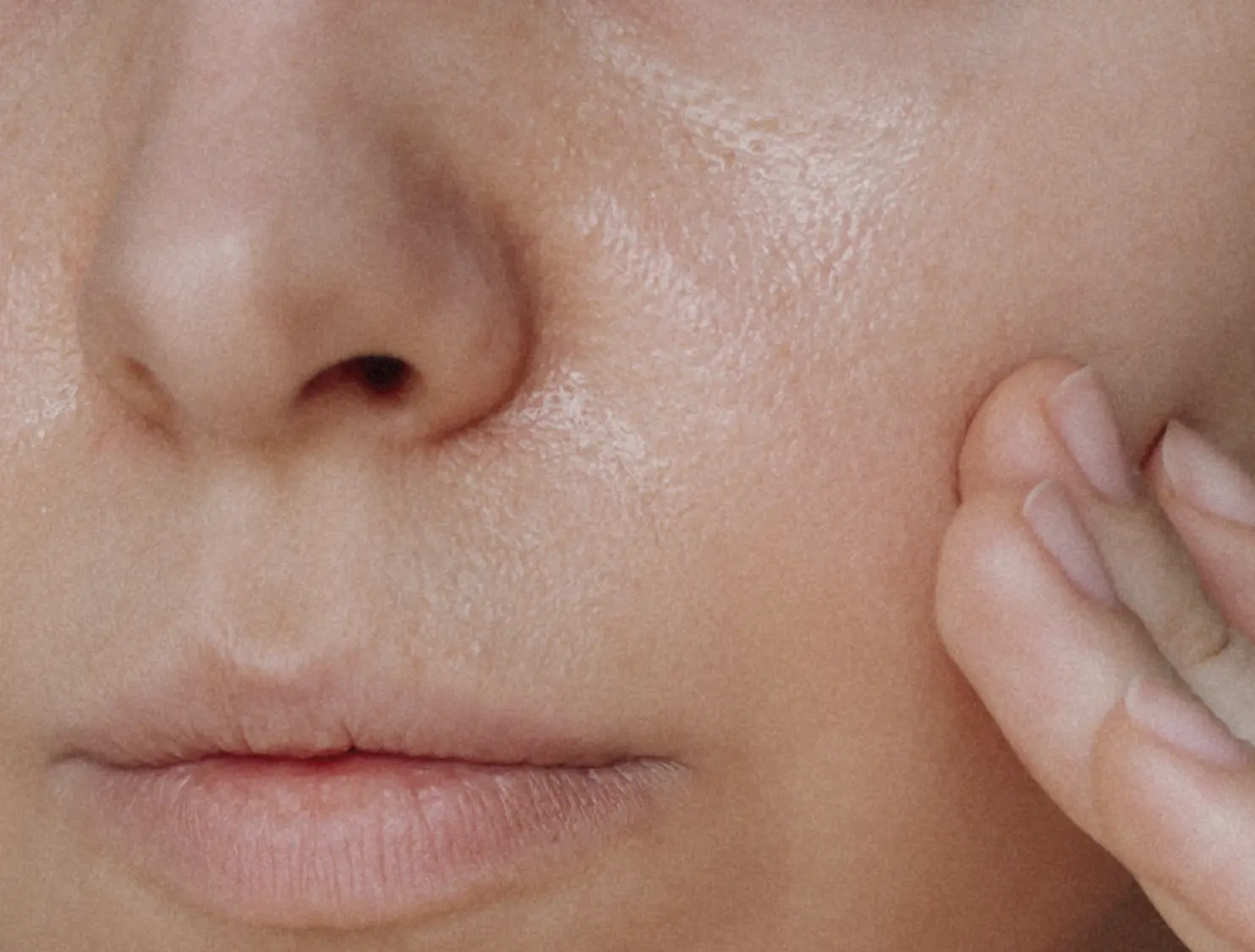
For oily skin or people who struggle with acne, 2 to 3 gentle chemical exfoliants a week is a pretty good rule of thumb. Salicylic acid works particularly well here, helping to remove dead skin cells and excess sebum that clog your pores.
Combination Skin
You’re in luck here – multi-zoning skincare is a great option. Try using AHA on dry areas and BHA on oily areas—there’s less chance of irritation and a better chance of achieving the results you want.
Mature Skin
As skin cell renewal slows down with age, you may need to exfoliate a bit more often – 2 times a week is a good starting point. But you gotta pair it with the right skincare products and treatments for the best results – think hydrating moisturisers and vitamin C.
A Guide To Popular Smoothing Techniques
You know, the secret to really smooth skin isn’t the strongest exfoliant – it’s finding one that works for your skin type at the moment. These techniques can be super effective if you use them wisely and don’t overdo it.
Chemical Exfoliants (AHA/BHA/PHA)
Glycolic acid, lactic acid and salicylic acid are the big hitters here – they dissolve the bonds between dead skin cells and make exfoliation a whole lot easier. And if you want even better results, try pairing them with an IPL photofacial – just be sure to talk to a pro about it.
Physical Exfoliants (Scrubs, Brushes, Tools)
This is where body scrubs, exfoliating brushes and dry brushing come in. While they can be super effective, be careful not to overdo it – you don’t want to end up stripping your skin of its natural oils.
Enzyme Exfoliants
And finally, there’s enzyme exfoliants – great for dry, sensitive or skin that’s just feeling a bit frazzled. They break down dead skin cells without the friction or irritation of a scrub or brush.
Recommended Renewal Frequency Based On Skin Needs
| Skin Type | Recommended Frequency | Best Exfoliant Type | Notes |
|---|---|---|---|
| Dry / Sensitive | 1× weekly | Lactic acid, enzymes, PHAs | Maintain barrier with moisturisers. |
| Normal | 1–2× weekly | AHA blends | Seasonal adjustments recommended. |
| Combination | 1–2× weekly | AHA on cheeks, BHA on T-zone | Balance chemical + mild physical exfoliation. |
| Oily / Congested | 2–3× weekly | Salicylic acid (BHA) | Ideal for acne-prone congestion. |
| Mature Skin | 2× weekly | Lactic acid, enzymes | Helps with cell turnover and luminosity. |
How To Recognise When Your Skin Needs A Break
The signs are there – stinging, patchiness, tightness, inflammation and regular breakouts pop up when your skin barrier’s weakened.
So, if this is happening, don’t overdo it with exfoliation, choose gentle moisturising products, and make sure to apply broad-spectrum sunscreen every single day. We actually created a skin barrier repair treatment at The Facial Hub facial studio to help people through that recovery process – it lets people get their comfort and resilience back.
Options That Support Your Home Routine
Dermatologists often recommend combining at-home acids with professional treatments such as chemical peels, enzyme therapy, or microdermabrasion. That way, you can target keratosis pilaris, pigmentation or rough texture more effectively than you would with just at-home exfoliation on its own.
A lot of our clients also come in for IPL hair removal at The Facial Hub. Directly related to exfoliation, it works well to promote smoother, healthier-looking skin when used as part of a treatment plan.
Climate Shapes Your Skin Behaviour
The humidity in Brisbane can make your skin produce more natural oils, sweat and get clogged up with environmental stuff – making you think you need to exfoliate more often – but then again, it’s always worth listening to your skin. Be careful not to overuse physical or chemical exfoliants, even in the middle of a hot summer.
You should really adjust your exfoliation schedule to suit the changing weather in Brisbane.
Ingredients That Enhance Skin-Smoothing Results
Once you’ve removed all those dead skin cells, your skin will absorb your skincare products much better. Ingredients such as vitamin C, hydrating serums, and moisturisers help repair the skin barrier and brighten the skin tone.
Be gentle and consistent with exfoliation, and you should end up with radiant skin and collagen production working well.
- When launching new products, take it slowly and start with a small amount.
- Your skin barrier is your number one priority. Remember that
- Exfoliation is a team effort – it’s not about stripping away all that beautiful skin of yours!
- Choose products based on what you actually need – whether it’s dry skin, oily skin or whatever else.
- And of course – don’t ever be without sunscreen after exfoliating, that’s a no-brainer.
Your Skin Knows When You’re Listening
When you do it right, exfoliation isn’t about stripping it back; it’s about revealing the healthy skin underneath. When you tailor your exfoliation to suit your skin type and lifestyle, everything else in your skincare routine starts working much better.
If you’re still not sure where to begin, why not pop in and see us – our relax and repair facials in Brisbane are made to soothe, hydrate and guide your skin back into balance.
FAQ
Can I exfoliate every day?
Bad idea. Your skin barrier will suffer if you do that. Dermatologists reckon you should stick to 1-3 times a week, depending on your skin type and the products you’re using.
Are chemical exfoliants better than physical exfoliants?
Most people find they are. That’s because chemical exfoliation is a lot more controlled and less harsh than overusing physical scrubs.
Can exfoliation help keratosis pilaris?
Yes, it can – especially if you use beta-hydroxy acids or lactic acid to smooth out those pesky bumps.
Is exfoliation safe for acne-prone skin?
Absolutely – especially with salicylic acid, which gets deep into the pores and picks up those dead skin cells you want gone.
Should I exfoliate before applying vitamin C?
It’s worth trying it – that way your skin can soak it up properly. Just try not to mix strong acids with other strong products in the same routine if your skin’s still a bit sensitive.