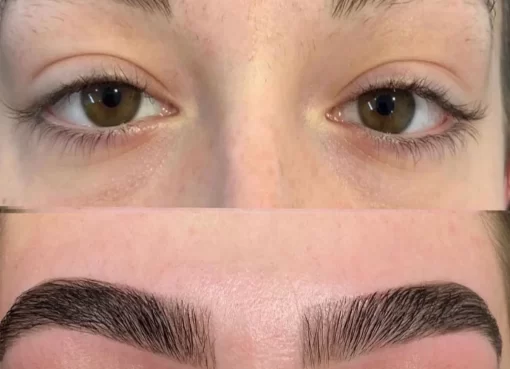
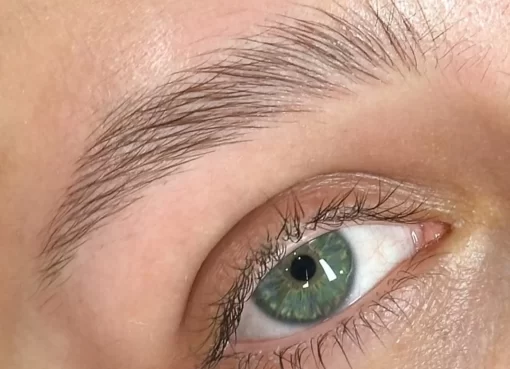
Can A PMU Artist Legally And Safely Move Into Fine-Line Tattooing In Australia?
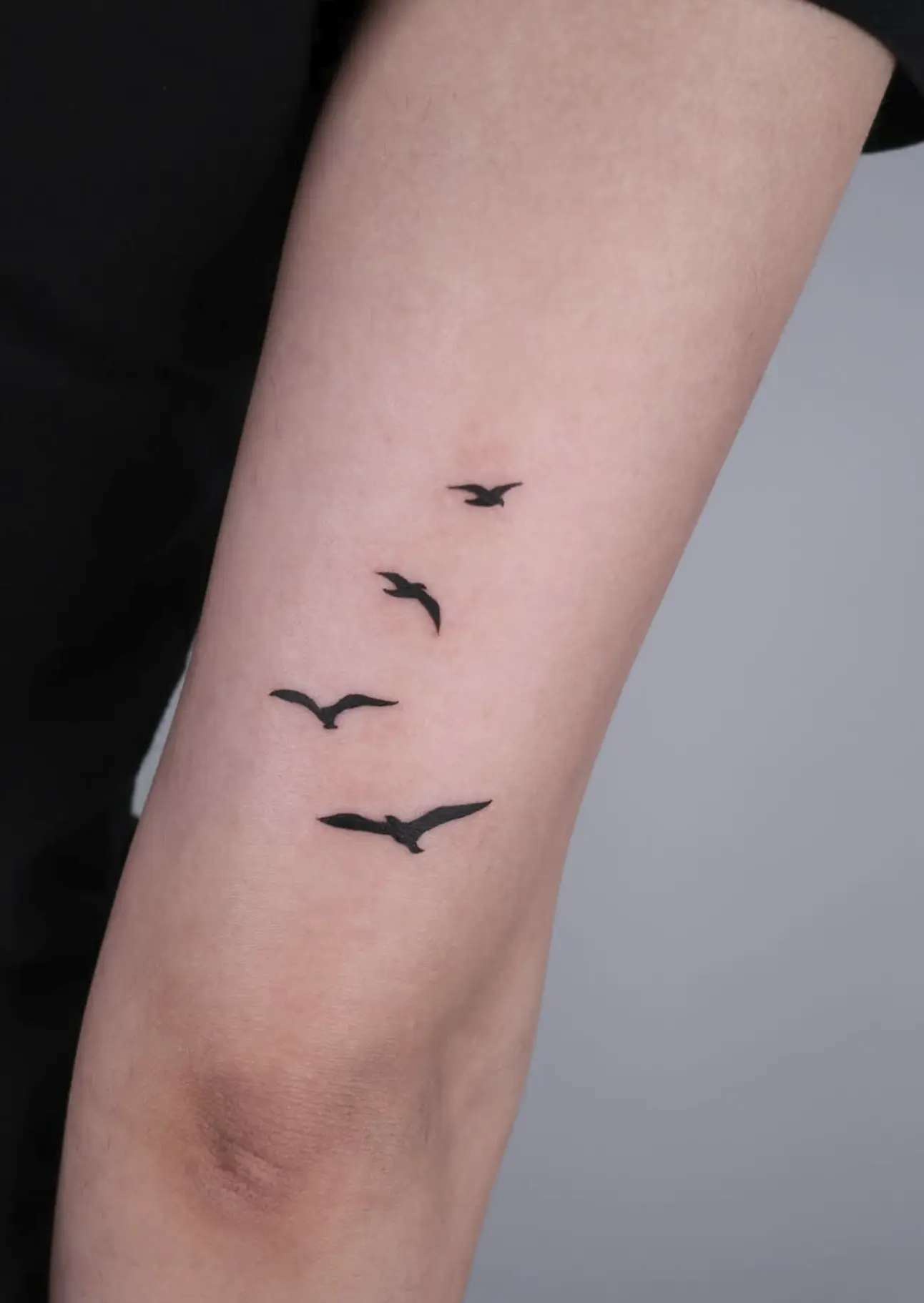
Stepping into the world of delicate body art is a big decision, so let’s talk about it properly. In this guide, can a PMU artist legally and safely move into fine-line tattooing in Australia? I’m sharing everything I know from a decade in Cosmetic Tattoo work here in Melbourne. More and more PMU artists ask me whether completing a fine-line tattoo course is necessary before offering new services — and we’ll unpack that honestly here. If you’ve ever wondered whether your PMU skills transfer, whether you need a whole new licence, or whether your tattoo studio setup needs to change, you’re in the right place.
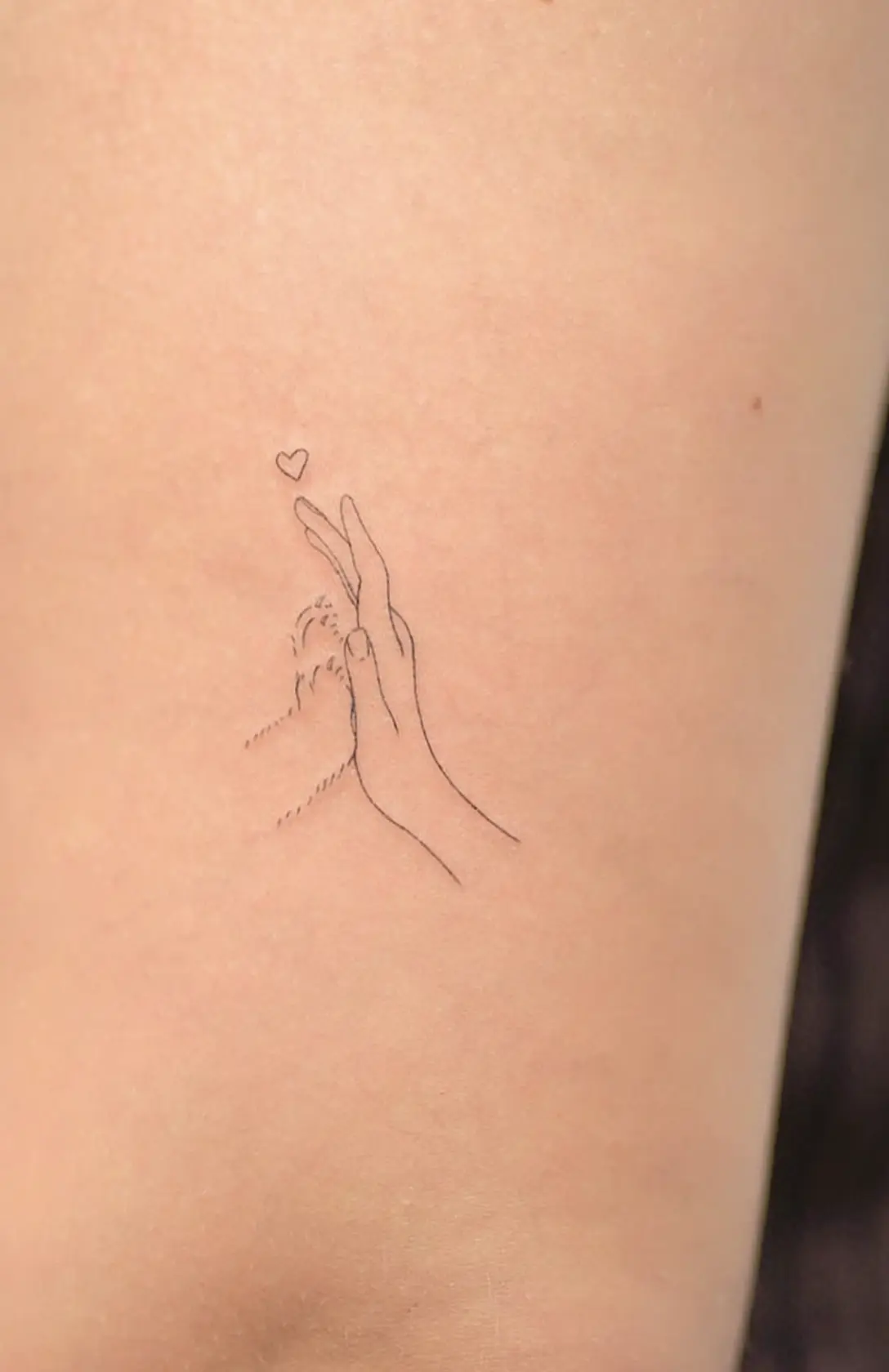
Before we get into the nitty-gritty, here’s the short answer: yes, a PMU artist can move into fine-line tattooing — but not without meeting legal requirements, infection control expectations, and adjusting your technique and mindset. Many artists start this transition by enrolling in fine line tattoo training to safely build their skills. Don’t worry, I’m breaking it all down clearly so you don’t need to search anywhere else.
Contents
- 1 Difference Between PMU And Fine-Line Tattooing
- 2 The Legal Requirements No PMU Artist Can Skip
- 3 Skills You’ll Need Before You Take Clients
- 4 A Quick Comparison: PMU vs Fine-Line Tattooing
- 5 Training: What You Actually Need Before Taking Clients
- 6 Safety: The Non-Negotiables For Fine-Line Work
- 7 Melbourne-Specific Considerations
- 8 Pricing Context
- 9 Can a PMU Artist Make the Switch Safely?
- 10 FAQ
Difference Between PMU And Fine-Line Tattooing
You might assume the two are nearly the same — after all, both involve needles, pigment, and skin. But this shift is bigger than most artists expect. In fact, most students in my studio begin to see the contrast on day one of a fine line tattoo course, especially when they learn how differently body skin behaves.
Equipment, Depth, And Skin Response
Fine-line work requires more needle depth control, more stretch, and the ability to tattoo across different body locations — not just the face. In my studio, the skin behaves differently on an ankle compared to brows or lips. Think toughness, movement, collagen density, and elasticity. This is exactly why fine line tattoo courses dedicate so much time to body skin behaviour — it’s new territory for many PMU artists.
Your tattoo machine also plays a part. Many PMU artists start with their existing Cosmetic Tattoo devices, but fine-line tattoos respond better to rotary machines with stronger tattoo gun motors, steadier clip cords, and state-of-the-art machines designed for longer sessions.
Pigment And Longevity
Permanent makeup pigments are formulated to fade softly because faces change with age. Tattoo inks for body art behave completely differently: stronger carrier fluids, richer particle loads, and long-term stability. If you’ve ever corrected an old brow job, you already know how much chemistry matters.
Client Expectations
PMU clients want natural, face-flattering enhancements. Fine-line tattoo clients want crisp, delicate designs that stay crisp for years. Managing expectations is one of the most important parts of the transition — especially around healing and fade patterns. Many of my Melbourne clients who book fine line tattoo in Melbourne expect ultra-soft designs that hold their detail long-term, so communication is everything.
The Legal Requirements No PMU Artist Can Skip
This is where some artists get caught. Australia treats Cosmetic Tattooing and body tattooing as related but separate industries. It’s not enough to say, “I already tattooed — so I can tattoo anything.” Councils and state regulators don’t see it that way.
Here’s what you legally need to be compliant.
1. A Registered Skin Penetration Business (State-Dependent)
In Victoria, you must register your tattoo business with your local council as a personal care and body art premises. Even if you already run a PMU studio, adding body tattooing usually means updating your registration.
2. Infection Control Training
Every state requires infection prevention and Infection Control standards. This is why every fine-line tattoo course in Australia includes structured infection control sections — because fine-line tattooing exposes artists to higher risks, including bloodborne viruses like Hepatitis B.
PMU training does overlap, but body tattooing involves more variables — higher blood exposure risk, larger surfaces, and more complex tattooing procedures.
3. Council Inspection
Expect an in-person inspection covering:
- Sharps container
- Single-use sterile packaging
- Proper disposal of clinical waste
- Sterile alcohol swabs
- Hand hygiene Australia requirements
- Correct station setup
- Certified pigments and safe tattoo products
If you’ve ever had your salon inspected for Cosmetic Tattoo treatments, this is similar — just stricter.
4. State-Recognised Licensing (Where Required)
Queensland requires tattoo artist licensing, while Victoria does not. But regardless of state, most artists complete some form of fine-line your tattoo training before presenting themselves to regulators or insurers.
Skills You’ll Need Before You Take Clients
Fine-line tattooing isn’t “PMU on an arm.” It’s its own discipline.
Linework Control
In PMU, we work with micro-movements and gentle touches. In fine-line body art, you need consistent line weight, smooth pull lines, and the ability to stabilise larger areas of skin. This is why linework is one of the first modules taught in any reputable fine line tattoo course.
Stretch And Needle Angle
If you’ve only tattooed faces, the first time you stretch your shoulder or ribs will be humbling. The stretch changes everything — depth, ink flow, comfort, and how ink heals under clothing. Most fine line tattoo courses include extensive practice on curved surfaces for this very reason.
Machine Setup
Your PMU device can work early on, but long-term, tattoo artists usually switch to:
- Stronger rotary machines
- State-of-the-art machines
- Durable clip cords
- Certified pigments
Most training programs provide hands-on time with multiple devices, especially if you enrol in a practical fine-line tattoo course.
A Quick Comparison: PMU vs Fine-Line Tattooing
| Category | PMU (Cosmetic Tattooing) | Fine-Line Tattooing |
|---|---|---|
| Regulation | Skin penetration registration required | Same, plus stricter body art checks |
| Pigment Type | Cosmetic pigments | Certified pigments for body art |
| Depth | Shallow, controlled | Deeper, varies by body location |
| Equipment | PMU machines | Rotary tattoo machines |
| Training | Cosmetic Tattoo background | Often requires fine-line tattoo training |
| Risk Profile | Sensitive facial skin | Higher blood exposure risk |
Training: What You Actually Need Before Taking Clients
Good news: you don’t need a full traditional tattoo apprenticeship to do fine-line work — but you do need hands-on experience. Every reputable trainer in Australia will tell you the same thing: without structured model work, live demonstrations, and supervised line practice, you won’t build confidence.
This is why so many PMU artists take a short, intensive fine-line tattoo course to build proper technique before working on paying clients. And if you’re looking for structured learning with real model work, Cosmetic Tattoo Studio Melbourne Face Figurati,fine-line with fine-line tattoo course programs offer a supportive space where artists can practise safely and consistently.
Look for training that includes:
- Depth control
- Stencil work
- Needle theory
- Skin stretch
- Tattoo machine setup
- Infection control practices
- Client information sheets
- Consent requirements
- Supervised model tattoos
If a course skips live models? That’s a red flag.
Safety: The Non-Negotiables For Fine-Line Work
Fine-line tattooing requires strict infection control and skin safety. Because body art covers more surface area and interacts with clothing, sweat, and friction, you must follow every step of safe practice.
Most fine-line tattoos tattoo courses include safety modules specifically for this reason — fine-line designs are delicate, and any safety lapse can cause blowouts or scarring.
Essential Safety Checklist:
- Sterile needles
- Sterile alcohol swabs
- Hand hygiene
- Clinical waste disposal
- Correct wrapping of equipment
- Single-use materials
- Safe cleaning products
- Proper client consultation
- No tattooing over compromised skin
Melbourne-Specific Considerations
Melbourne’s climate affects healing more than most artists expect. Drier winters slow healing, while our warm summers can irritate fresh tattoos. This is important for anyone offering fine line tattoosfine-line in Melbourne, because clothing layers, sweat, and heat all change the way ink settles in the skin.
Pricing Context
Pricing varies based on size, placement, and detail. Most artists charge according to time, design complexity, and their level of training. Completing a recognised fine-line tattoo course often allows you to price your work more confidently and responsibly.
Can a PMU Artist Make the Switch Safely?
Absolutely — as long as you respect infection control, understand skin behaviour, and take proper fine line tattoo training.
Your PMU background gives you precision and confidence, but fine-line tattooing requires expanded skills, new knowledge, and a deeper understanding of body art.
If you approach it with curiosity, humility, and the right education, you can build a thriving hybrid service offering both Cosmetic Tattoo work and fine-line tattoos.
FAQ
Do I need a tattoo licence in Victoria?
Not personally, but your studio must be registered as a skin penetration premises.
Do I need training before offering fine-line tattoos?
Yes — completing a fine-line tattoo course or structured fine-line tattoo training is strongly recommended.
Will my PMU machine work?
Yes, for early practice, but most artists upgrade to rotary machines for precision.
Does PMU infection control training count?
Partially, but most tattoo studios require training in tattoo-specific infection control.
Is fine-line tattooing popular in Melbourne?
Absolutely — the demand for fine line tattoos in Melbourne is huge, especially for delicate, minimalistic designs.