Can Fine Line Tattoos Be Coloured?
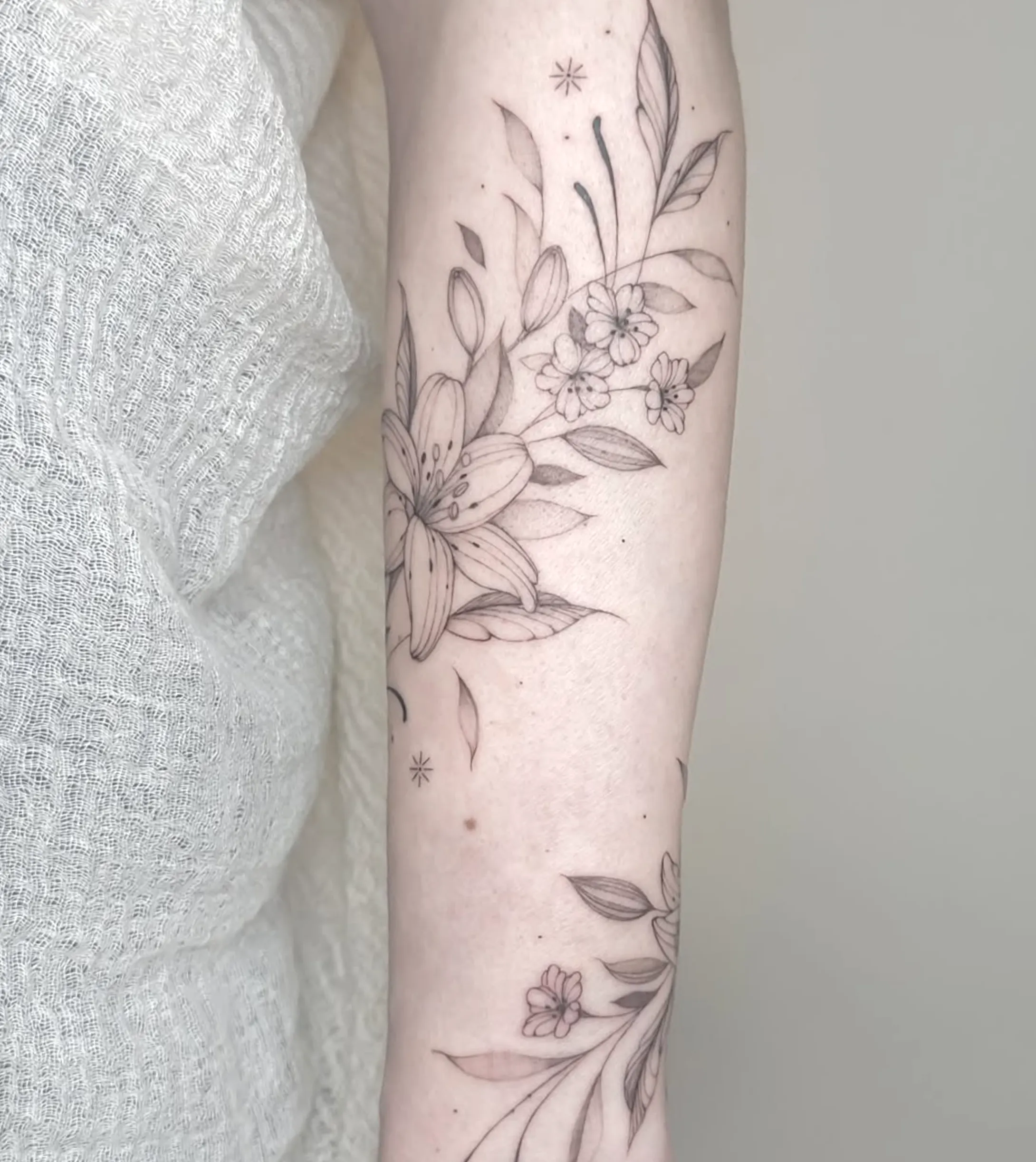
When clients ask us, “Can fine line tattoos be coloured?” — we know they’re not just asking about ink. They’re asking if their delicate, minimalist style can have a little more life, personality or softness without losing that fine line aesthetic. As Olha Po says, it’s a balance between the tattoo artist’s skill, the tattoo ink choice and the long-term healing process.
At Cosmetic Tattoo Studio Brisbane Face Figurati, we often help clients navigate these questions. Whether someone is getting their first fine line tattoo or looking at advanced fine line tattoo courses, the key is understanding how colour works in this tattoo style.
Fine line work is often associated with black and grey ink because of its crisp precision. But yes — colour can be added. The trick is understanding skin types, needle gauge choices and how different pigments behave under sun exposure. In this guide, we’ll share professional insights from our tattoo studio, debunk myths and outline real-world tattoo experience to help you decide if a coloured fine line tattoo is right for you.
Contents
- 1 Why People Want to Add Colour to Tattoos
- 2 How Pigments Behave
- 3 Skin Types and Healing Outcomes
- 4 Healing Timeline for Coloured Tattoos
- 5 Common Myths
- 6 Brisbane Lifestyle: Heat, Sun, and Skin
- 7 How to Prepare
- 8 Aftercare: Keeping Colour Fresh
- 9 When Touch-Ups Are Worth It
- 10 Pros and Cons
- 11 Final Thoughts: Should You Go Colour?
- 12 FAQ
Why People Want to Add Colour to Tattoos
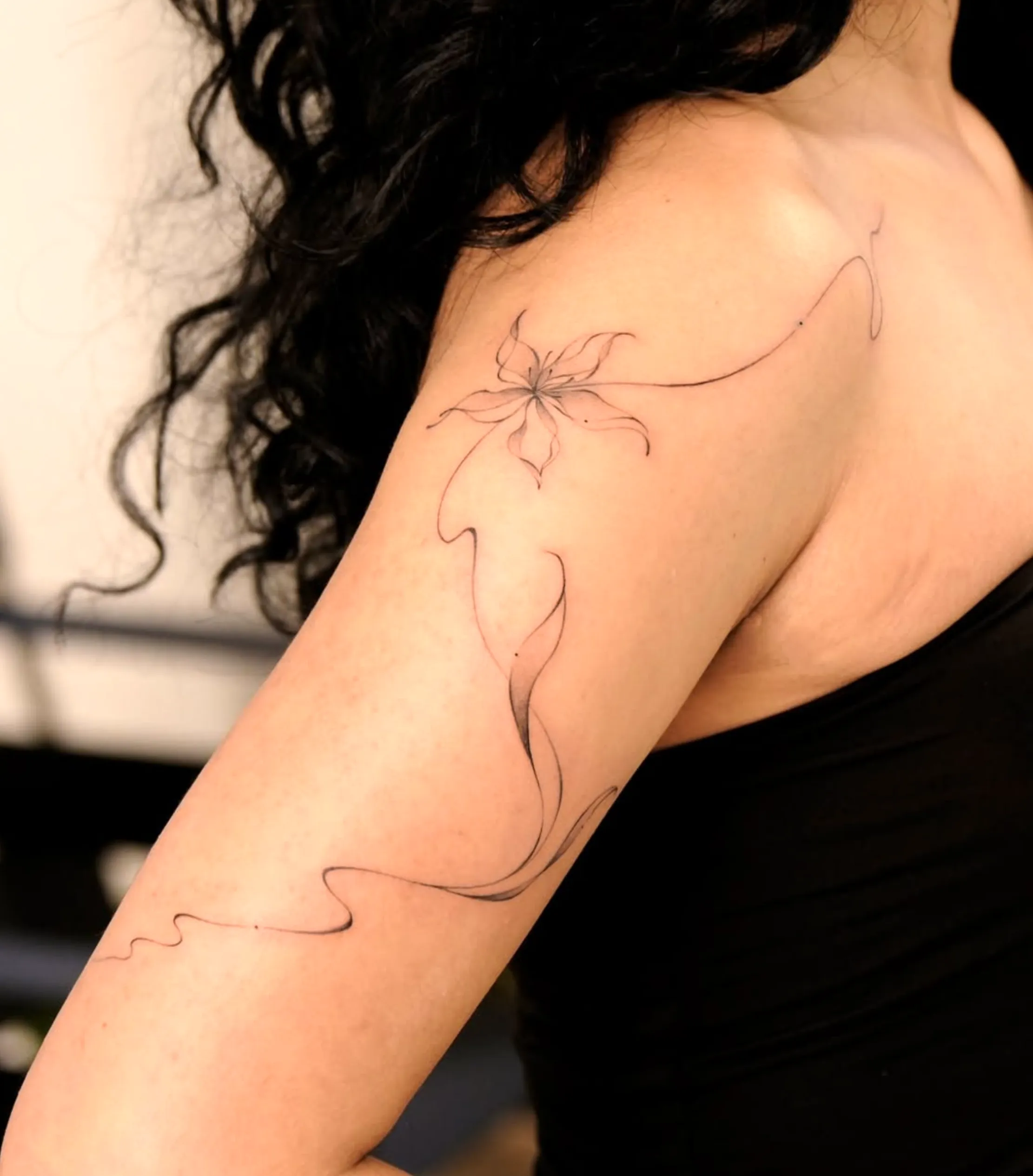
Adding colour to simple fine line tattoos can turn them from small tattoos with outlines into intricate tattoos with artistic expression. Some clients want a pop of red in a heart, others want soft pastels in floral motifs. We’ve also seen demand for bolder popping colours, creating a range in shading or even watercolour style blends.
Clients ask their fine line tattooist if colour will hold as well as black and grey. The truth is, coloured tattoo ink behaves differently and requires realistic expectations about fading. Some of our clients start with a simple black outline and then come back for touch-ups with soft pastel tones to add more character.
But colour tattoos have their own challenges. Coloured tattoo ink can fade faster than black and grey ink, especially in Brisbane’s sun. Choosing a tattoo style that balances detail with longevity is key if you want your design to last beautifully.
How Pigments Behave
In fine line tattoos, less ink is deposited, which affects retention. Colour schemes matter — full colour tattoo designs with soft pastels fade faster than bold tones. A single needle or a three-round liner needle can produce very different results in saturation and healing.
| Pigment Colour | Longevity in Fine Line Tattoos | Notes |
| Black/Grey | 5–10+ years | Crisp lines are best for geometric lines and continuous line work |
| Red | 3–6 years | It can fade to pink, but still stands out in smaller tattoos |
| Blue/Green | 2–5 years | May shift in hue due to sun exposure |
| Yellow/White | 1–3 years | Most prone to fading and needing touch-ups |
At Brisbane Face Figurati, we’ve seen lighter colour tattoo ink nearly disappear within a few years if aftercare lotion and sunscreen weren’t used consistently. Our fine line tattoo courses also teach students to expect this when designing colour schemes for their clients.
Skin Types and Healing Outcomes
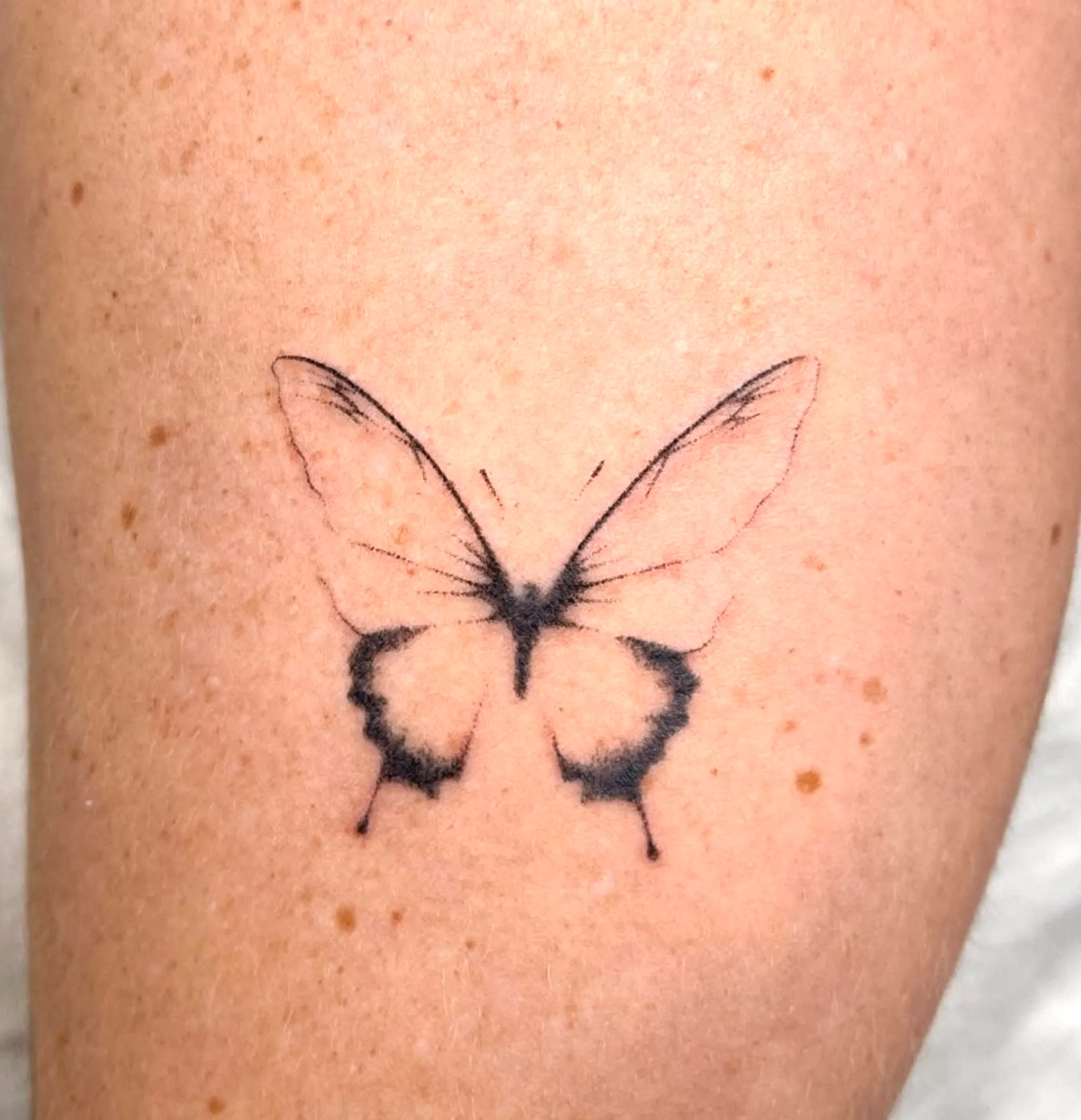
Different skin types respond differently to colour in fine line work. Black and grey ink usually heals more predictably, while coloured pigments depend on undertones and melanin levels.
- Fair skin: Bright colours pop, but redness in the healing process can temporarily mask results.
- Olive/medium tones: Rich reds and blues show well, but soft pastels can look muted.
- Deep skin tones: Bolder colour schemes with stronger pigments work better than pale shades.
We’ve done cover-ups where black and grey provided structure, while selective full colour additions made the detailed designs look fresh without overwhelming the minimalist style. In our fine line tattoo course modules, we stress matching pigments to skin tone for the best healed outcome.
Healing Timeline for Coloured Tattoos
Healing is where most fine line colour work proves its staying power. Proper use of liquid soap, fragrance-free washes and aftercare lotion is just as important as the tattoo ink itself. Here’s what most clients experience:
- Week 1: Tenderness and slight swelling. Colours may look neon bright. Minimal scabbing for simple fine line tattoos.
- Week 2: Peeling and patchiness start. Continuous line sections will look uneven until healed.
- Week 3-4: Skin evens out. Intricate tattoos look lighter and more natural.
- Months 2-3: The healed result settles. Soft pastels fade more than bold colours.
Touch-ups are a normal part of fine-line tattooing, especially if you want bolder colours to stay fresh. Our fine line tattoo courses teach upcoming artists how to prepare clients for this stage realistically.
Common Myths
- Myth 1: Colour doesn’t work in fine-line tattoos. False — with the right needle gauge, tattoo artist and tattoo ink, colour can look amazing.
- Myth 2: White ink stays crisp forever. White often fades or discolours — it’s rarely permanent.
- Myth 3: Coloured tattoos hurt more. Pain is related to placement, not whether you use black and grey or colour.
- Myth 4: Only large tattoos can hold colour. Not true — smaller tattoos can hold colour, though intricate tattoos may need extra touch-ups.
Brisbane Lifestyle: Heat, Sun, and Skin
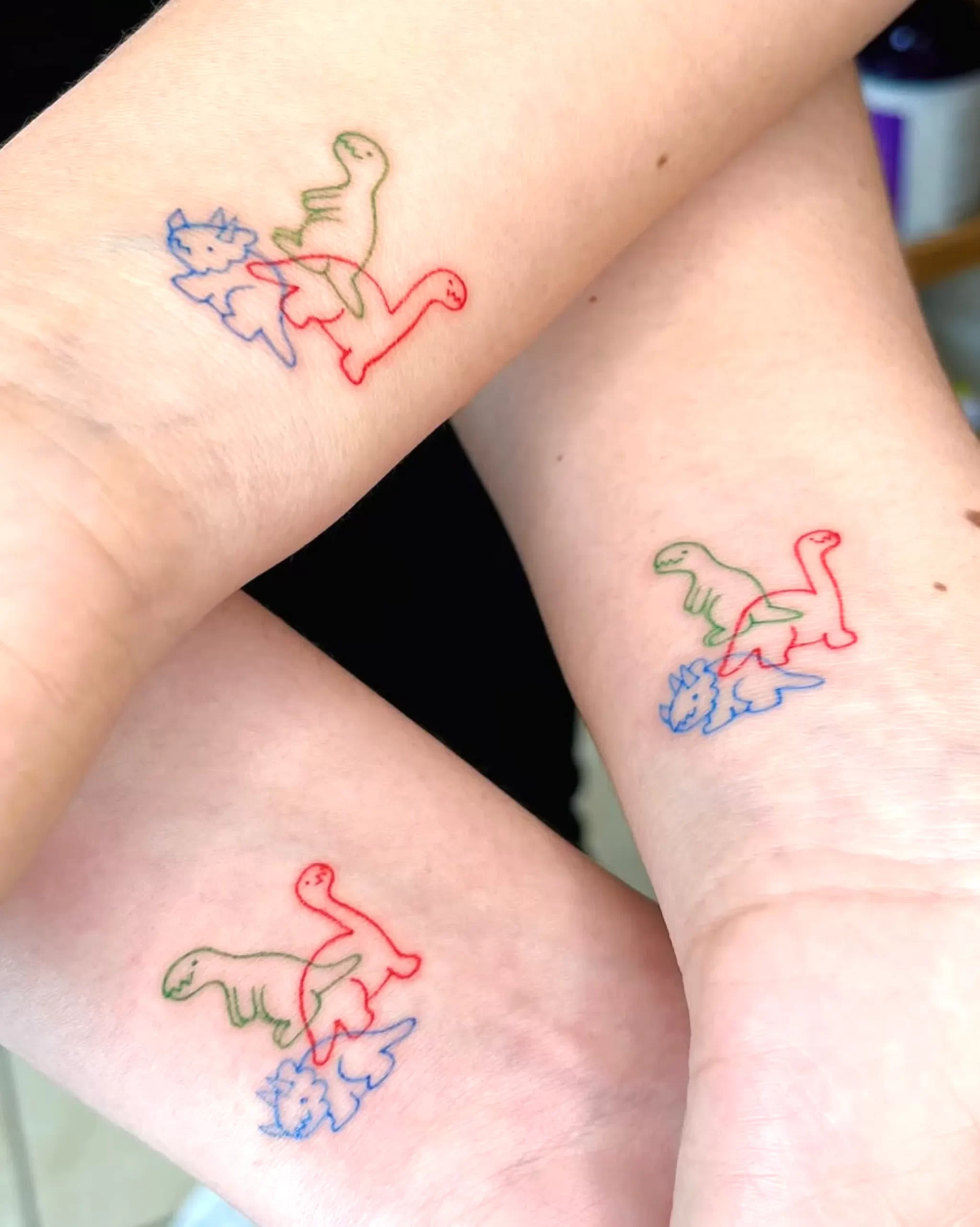
In Brisbane, the sun is inevitable. Our climate affects healing, pigment retention and even artistic expression. A 2025 tattoo industry survey showed over 70% of Australians with colour tattoos reported visible fading within 5 years, especially in Queensland.
Practical care includes:
- SPF 50+ on healed tattoos
- Loose clothing over new tattoos
- Hydration and regular use of aftercare lotion
Without these, even detailed designs created with a single round liner needle will blur faster.
How to Prepare
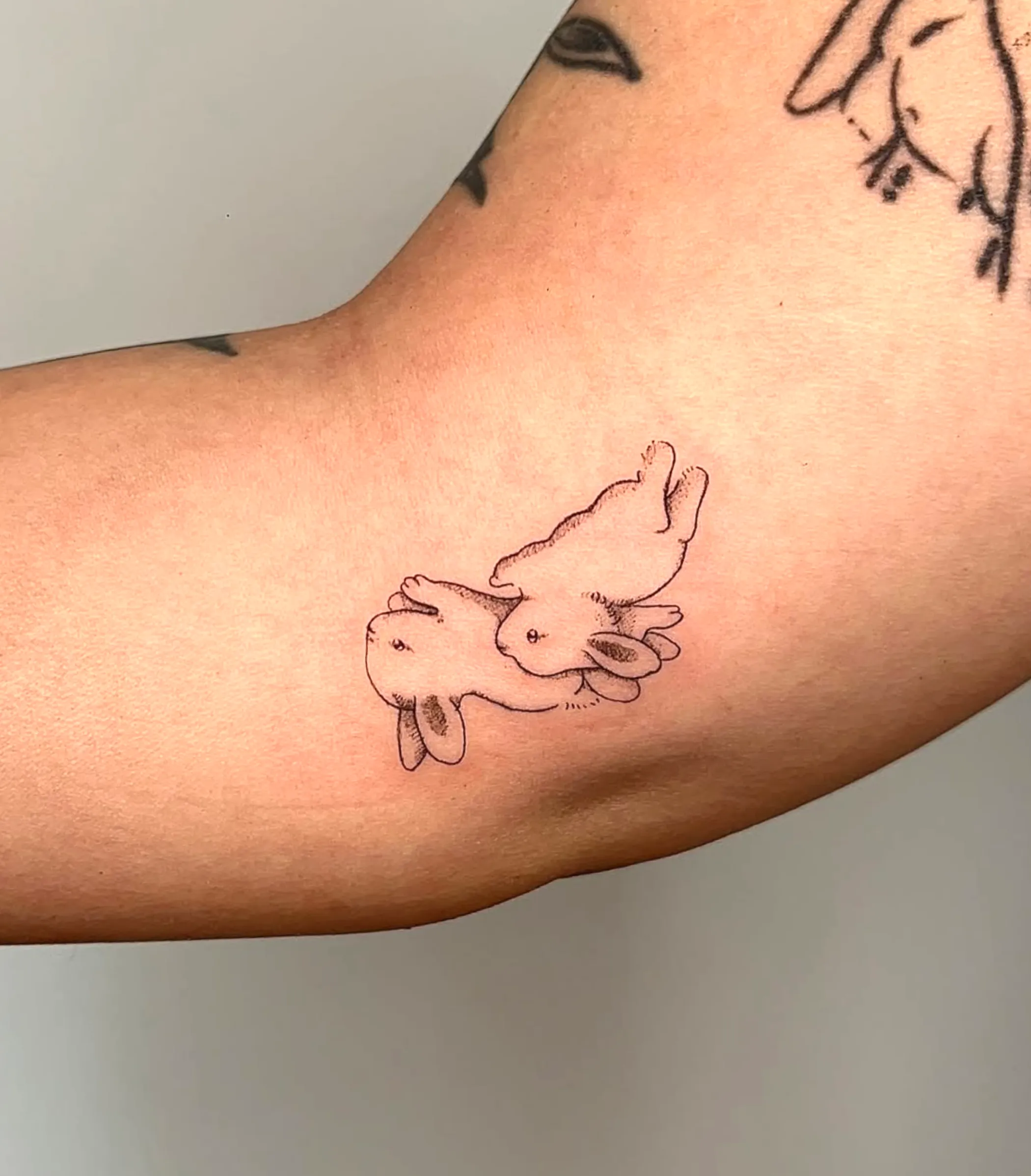
Prepping properly means the tattoo experience runs smoothly:
- No alcohol and blood thinners before the session
- Hydrate and moisturise the area before
- Wear loose clothing over the area
- Eat before you get to the tattoo studio
We’ve seen clients pass out from not eating – trust us, even cosmetic tattoo sessions with fine line work are easier when your body is fuelled. For our fine line tattoo students, we stress client prep as part of their training.
Aftercare: Keeping Colour Fresh
Tattoo aftercare is everything for colour retention. Use fragrance-free liquid soap to clean and apply thin layers of aftercare lotion to protect tattoo ink. No gyms, pools or direct sun for at least 2 weeks.
Think of it like looking after an investment in your artistic expression. Neglecting aftercare shortens the life of your minimalist design dramatically. Our fine line tattoo course content includes aftercare instructions so new tattooists can educate their clients properly.
When Touch-Ups Are Worth It
Touch-ups are part of the tattoo experience. Coloured fine line tattoos, especially those done with round liner needles, often need layering for longevity. Quick touch-ups at 6-12 months can revive faded soft pastels or bring bolder, popping colours back to life.
Cover-ups also benefit from colour schemes. Adding a geometric line or continuous line detail with black and grey ink can help balance older designs while refreshing the colour of the tattoo ink. At Brisbane Face Figurati, our fine line tattooists do both touch-ups and cover-ups for clients.
Pros and Cons
Pros:
- Artistic expression with colour schemes and intricate tattoos
- Can mix minimalist style with detailed designs
- Works beautifully for smaller tattoos with sentimental value
Cons:
- Fades faster than black and grey tattoos
- More frequent touch-ups required
- Some colour tattoo ink shades (soft pastels) don’t last long
Final Thoughts: Should You Go Colour?
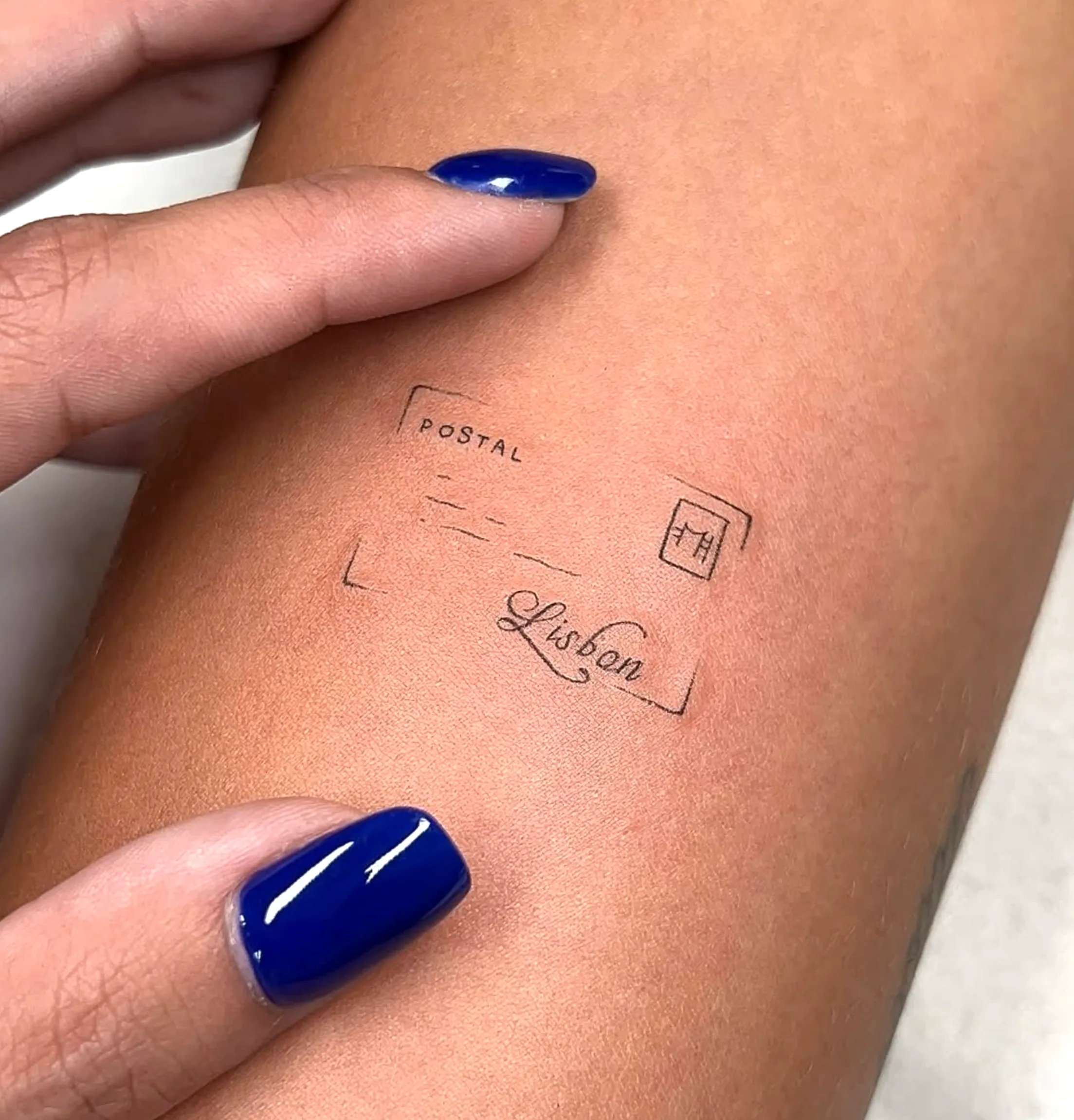
So, can fine line tattoos be coloured? Yes — but with realistic expectations. If you want continuous lines or geometric lines with soft pastels, they’ll need touch-ups. If you want bolder, popping colours, your tattoo will last longer, but still needs sun care. Whether you choose black and grey ink or coloured pigments, success is in the healing process and how you protect your skin from the sun.
As Olha Po says, tattoos are living art. From fine line tattoos to full colour tattoo cover-ups, every piece is shaped by the tattoo artist’s technique, your skin type and Brisbane’s climate. Knowing how designs age over time will help you make the right choice.
Still curious about colour? Pop into Cosmetic Tattoo Studio Brisbane Face Figurati — we’ll chat fine line tattooing, needle gauge, colour schemes and whether a single needle or three-round liner needle is best for your minimalist style. And if you’re a fine line tattooist in the making, our fine line tattoo courses will help you develop the skills to create detailed, long-lasting work.
FAQ
Do coloured fine line tattoos fade faster than black and grey?
Yes. Soft pastels and lighter shades fade quickly; black and grey tattoo ink is the most durable.
How soon will I need a touch-up?
Most clients need one within 6-12 months, especially if they go for bolder, popping colours or detailed designs.
Are coloured fine line tattoos more painful?
Not necessarily. Needle gauge and placement matter more than whether you’re using black and grey or colour pigments.
Can coloured fine line tattoos work for cover-ups?
Yes. Adding colour can refresh older tattoos. Sometimes a mix of black and grey ink with colour schemes gives the best result.
What’s the best aftercare for colour tattoos?
Use liquid soap, apply aftercare lotion, avoid sun exposure and touch up when needed for long-term vibrancy.